
Food fear can hold us back from many things in life. Regarding food fears, I am referring to anything about eating that makes us afraid about eating. This can be fear of trying new foods, food label fears, fear of uncertainty, fear of losing comfort, and fear of disappointment, to name a few. Our fears of eating can stem from many areas, so we must identify the root of the issue to help move past these fears. By doing so, we can become our healthiest self.
Table of Contents
What Makes Us Afraid of Eating?

A trip to the grocery and cooking can be challenging if not downright scary today. Conflicting messages in the media make eating an ever-increasing challenge and puzzle. Not only is the fear around making the “wrong” food choices palpable, many people have long mental lists of reasons we can’t meet our own health goals. Because of these roadblocks, the fear of eating can set people back from being their healthiest selves.
Tackling Common Food Fears
Life is a series of events and we can either fear the unknown or embrace and relish the change in the process of this thing called life. We can empower ourselves to make food choices confidently each and every time we eat. We can overcome our fears of various foods and empowering ourselves to become healthy.
Fear of the unknown, even with food, can feel palpable. People also fear that they don’t have enough willpower to eat healthily, or fear that there isn’t enough evidence to make a change.
A couple things to keep in mind about food choices and our emotions:
- You don’t have to settle for feeling bad
- You deserve the best, and that is true when it comes to food as well
- Don’t let fear keep you from enjoying food and life
Why Do I Need to Tackle My Food Fears?
By tackling your food fears, you can wipe the slate clean, so to speak. The same goes for our methods of wellness. Does fear override and even sabotage your way to wellness? Fear sabotages many aspects of our health, including our diets.
10 Common Food Fears + How to Overcome Them
Why do people fear change in their diets? The list is long! Let’s dive into this list of food fears and how to manage these fears.
1. Fear of the Uncertainty

Fear of the uncertainty is perhaps the biggest of all food-related challenges because there are so many new “diets” all the time. Most people get conflicting messages in the media and even from their healthcare providers.
Uncertainty about what to eat is very prevalent among healthcare providers. “Do we have enough evidence?” This is a common fear among healthcare workers. Rather than worrying about the degree of evidence, the thought processes should be re-framed in a more constructive light. A better question than “is there enough evidence” might be, “is the perceived lack of evidence holding people back from health?”
How do we overcome uncertainty? Food sensitivities are a hotly debated food uncertainty, so I will use this as an example.
When deciding whether or not to eliminate a food due to a suspected sensitivity:
- You might love the adventure of trying a new food plan that may open windows to new and exciting meals and food options
- You are NOT locked into any meal plan forever
- The choice is always yours and that is empowering
- To best harness fear of the uncertainty, we need no longer fret about the future, but to love the minute we are in
Here’s a scenario. You give up a suspected food sensitivity for 3 weeks. No worries! You can take comfort in knowing you can and will try adding it back in soon. There is no singular food ingredient that your body can’t live without for 3 weeks. If this food makes you sick or bothers your mental state when you add it back, you may need to evaluate a long-term goal!
Why Embrace Uncertainty?
I recently had an encounter where a client that simply removed a suspected food due to sensitivity, and it made all the difference in a person’s health. Had the person waited for enough “evidence” the person would continue on the trajectory of debilitation. In other words, food heals and it can certainly harm. You should be aware that changes in food patterns, including eliminating food sensitivities, can heal.
What would our ancestors have done even 100 short years ago? They would have built on the knowledge of the thousands of years before them to help heal. It is only the modern “evidence-based” model (it has a lot of weaknesses!) that is in some ways, prohibiting the growth of our own health.
Take heart: the New England Journal of Medicine recently stated that we must embrace all forms of evidence for best health. In other words, allow yourself to get past uncertainty and try a new eating pattern, as long as it is balanced and feasible for your life.
2. Fear of Failing a New Food Goal
To make a positive change in your food choices, you don’t need more willpower for change. The best approach is to approach your eating patterns with real food, knowledge, planning, and tradition. In order to be ready for success, always be prepared and never crash diet.
To do so, feeling satisfied with healthy foods will make you much more successful, rather than starving and failing due to inevitable cravings. This often means incorporating more protein-rich foods into your diet. Also, make SURE you are getting adequate nutrients so that your energy doesn’t plummet. This may mean getting high-quality multivitamin and mineral supplements in your routine.
An interesting concept: if your meal is balanced you are less likely to fail at any given goal, and I’m even talking about big life goals! Make sure your food goal is based on feeling healthy and not a number on the scale per se.
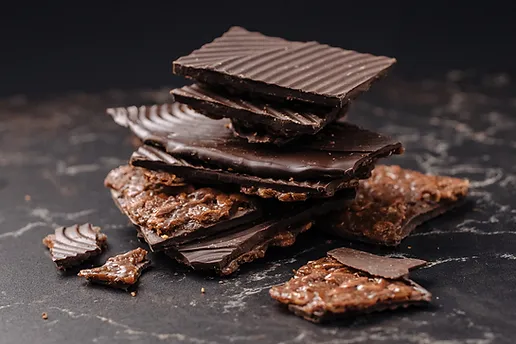
Last but not least, you can allow for moments of food joy. Treats and indulgences should be enjoyed only in the best of moments when they can be savored and the time can be lavished on the moment. That treat, if based on whole food, can even enhance your health!
3. Food Label Fear
I often tell people to avoid reading calories and nutrition facts. Of course, there are exceptions to this, but here are my reasons: food labels can be a set-up for eating disorders and obsessive food behaviors. The label often creates unnecessary panic about eating.
Back when I was a kid, we didn’t read labels because there weren’t any. Food labels were mandated in the 90’s and look at what has happened to chronic diseases! There are more chronic diseases all of the time because of the vast increase in food products with food-like ingredients.
Labels can sabotage. Foods with labels are more likely to be unhealthy anyway. The ingredient list is so much more important than calories, fat, or other label facts. I’m not saying labels don’t help some, but labels have created a level of fear in some people that they would be better off without.
4. Fear of Disappointing Yourself
People often set the best of intentions to eat healthy and then often get away from their intentions, which can feel disappointing. We can feel we fail ourselves and that we are weak. Most people feel this from time to time. This is because food temptations are everywhere and food in packages are designed to make you eat more than you should.
Our best intentions can be foiled by the seemingly never-ending new ways to eat junk! Here are some ways to stay on your trajectory of health.
- If you go to the store on a full stomach, the junk food aisle will be less likely to call your name.
- Empower yourself as best as possible by having healthy foods around always, but by also knowing that we all occasionally stray.
- Perhaps even plan a moment for indulging when it counts. This makes it seem less like a failure and more like a planned treat.
- We also need some good old-fashioned acceptance of our own limitations and when we need to eat for the joy of it.
5. Fear of Isolation
If we get healthy, we may draw attention to ourselves, and we may stand out as doing something different than others. This can feel isolating. Declining the cake in the break room? What fun are YOU?
Let’s use the break room cake as an example of how to avoid feeling isolated on a new and healthy eating plan. Here are some strategies that you can use:
- Pre-plan: have hot tea or bubbly water in your hand
- Politely decline the cake because you just had a snack
- No need to dive into your meal plan history, simply and politely say “no thanks”
- Learn to feel comfortable with the word no. People are ok with it!
- Cake in the break room isn’t bad per se if it is important to you to indulge at that moment
- It is only bad that you eat it just because it’s there or if you feel pressured to eat it
6. Fear of Losing Comfort and Feeling Deprived

Eating for comfort is a common emotional blanket for some. This is because it works and increases dopamine levels temporarily in the brain. Many foods help to increase these brain chemicals that make us feel warm and fuzzy inside.
Some experts recommend distraction to avoid emotional eating, which can be helpful. I also recommend finding comfort in good conversation. Additionally, using herbal remedies, probiotics for anxiety, and calming teas down our heightened nerves.
These include:
Find healthier comfort foods as well, such as:
- stews
- hearty soups
- chili
Perhaps try a coconut and all-fruit sorbet or chocolate pudding made with whole ingredients.
Chocolate Pudding Recipe
- 2 ripe avocados
- 1/2 cup dark chocolate chips
- 1/4 cup to 1/2 cup milk of choice
- 1 tsp pure vanilla extract
- 1/8 tsp salt
- 2-6 tbsp natural sweetener like maple syrup
Melt chocolate chips on very low heat. Combine all ingredients in the blender until smooth.
7. Fear of Trying New Foods
Fear of trying new foods is called food neophobia. We all have an element of this and it can be healthy. This is hard-wired for a reason if you think about survival. It might not be wise to try that shiny, unknown berry in the forest. That’s a healthy fear.
Yet fear of new can hold you back from exploring all life has to offer. To tackle some fears about trying new foods consider these strategies:
- Trying new food is often easiest if doing it in a warm and inviting setting, perhaps even on vacation
- Be in a relaxed environment
- Be patient with yourself. It can take 7 or more times of trying a new food to learn to love it or maybe even just tolerate it
8. Fear of Hunger or Dissatisfaction

You may worry that a new health plan may not satisfy or fill you up. You may have had this experience so it may feel true! How do you overcome this?
Using some tried and true strategies for filling your stomach can be really important, especially at first.
Make sure to have:
High-quality protein food each time you eat can help you feel satisfied with meals. Also, its best to make your meal rich in good quality fats as well as fiber from fruits and vegetables. This combination helps prevent hunger later on and feel much more satisfied with a meal.
Also, know where your limitations are. For me, vegetarian proteins aren’t quite enough to feel satisfied. Some people very successfully feel full on vegetarian proteins; we are all different.
Some good choices of foods to satisfy:
- Tuna (light), sardines, or chicken, spiced up
- High-quality cheese (not American)
- Grass-fed meats
- Nuts and seeds
- Sprouted vegetables and low-allergen grains
- Chia seeds in whole-milk, plain yogurt can be satisfying
9. Fear of Discomfort
You may embark on a new plan, but are worried that your belly will be unhappy! You may not want that new fibrous seed like flax because you worry you will not tolerate it. Keep in mind, that it can take several days for your digestive tract to adapt to a new meal plan.
Starting out a new meal plan can be challenging for your digestion!
Start slowly with new foods and also consider adding digestive aids such as plant enzymes, probiotic-rich foods, and even some apple cider vinegar. But it’s also important to acknowledge that your body may never love foods like flaxseeds or kidney beans. I know mine doesn’t. If this is true, you should avoid this food.
10. Fear of Success
As strange as it may seem, we can fear meeting goals. If we have more energy, get healthier and our minds are sharper because of it, our whole lives can have a ripple effect. You may draw more attention to yourself as you become more vibrant. This can change our relationships and other’s expectations of us.
Be realistic about what you can reasonably change in your life. Diet empowerment can change your outlook on life and how others see you; just be ready for it!
Summary
Food can be so many things to people. Eating is a nourishing, satisfying, and energizing life force. It also can be medicine and our road to healing. By overcoming food fears, you have a much better chance of becoming healthy and having a better relationship with the foods you eat. As always, consult with your healthcare provider before making changes in your health routine.


